The Power of a Mindful Morning Routine
How you start your morning sets the tone for your entire day — and your entire life
True wellness goes beyond the absence of illness — it's about cultivating a life rich in balance, purpose, energy and joy. Explore practices that nourish every dimension of your being.
Explore WellnessConsistent daily routines are the backbone of lasting wellness. Small intentional actions, repeated daily, create extraordinary long-term results.

How you start your morning sets the tone for your entire day — and your entire life


Sustainable self-care means consistently meeting your own physical, emotional and mental needs. It's the practice of treating yourself with the same care you'd give to someone you love deeply.

Chronic stress is one of the most significant threats to long-term wellness. These practices help you respond rather than react.
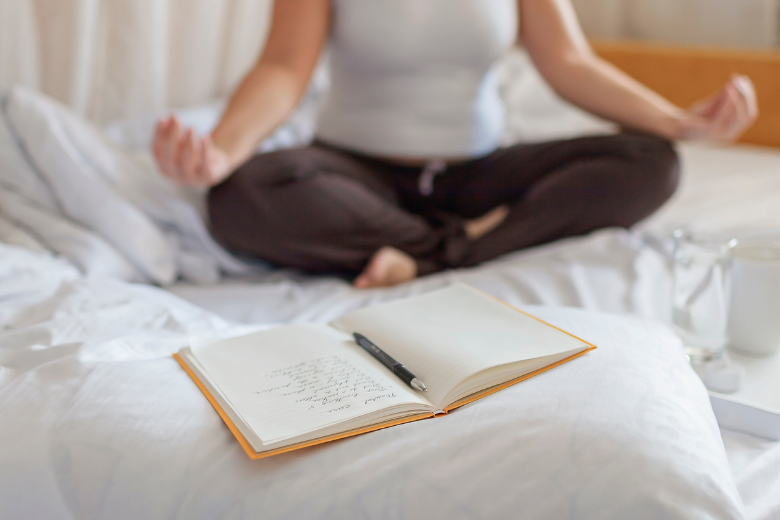
Mental wellbeing encompasses your emotional health, psychological resilience, and your ability to cope with life's inevitable challenges. Invest in it with the same commitment you give to physical fitness.
Sleep is when growth hormones are released, memories are consolidated, and your immune system regenerates. Make it your top wellness priority.
Most adults need 7–9 hours for optimal cognitive, emotional and physical restoration.
Each full sleep cycle lasts roughly 90 minutes — aim for 5 complete cycles per night.
Keeping your bedroom around 60–67°F (15–19°C) promotes deeper, more restorative sleep.
Work-life balance isn't something that happens — it's something you actively create through intentional boundaries, clear priorities and regular renewal practices. Here's how to build it systematically.
Explore ResourcesDefine your start and end times. Protect evenings and weekends as recovery time.
Treat rest and recreation as non-negotiable calendar appointments, not afterthoughts.
Every yes to something draining is a no to something that matters. Choose consciously.
Transition rituals between work and rest help your nervous system shift gears effectively.
Track these essentials daily to build a solid wellness foundation that compounds into extraordinary results over time.
Effective wellness goals are specific, values-aligned, and built around your real life — not an idealized version. Start with identity-based goals: "I am someone who moves their body daily."
Start with tiny habits — ones so small you can't say no. Attach new habits to existing ones (habit stacking). A two-minute morning meditation before your coffee is much easier to sustain than a 45-minute routine. Consistency matters far more than perfection or duration.
Self-care refers to intentional activities that restore your immediate wellbeing — a bath, a walk, quiet time. Wellness is the broader, ongoing state of thriving across all dimensions of life: physical, mental, social, emotional, and purposeful living. Self-care is a practice; wellness is a way of being.
Chronic stress has profound physical effects: elevated cortisol disrupts sleep, suppresses immunity, promotes inflammation, impairs digestion, and accelerates aging. Managing stress is not optional — it's a core pillar of physical as well as mental health.
The best time is whenever you'll actually do it consistently. Research shows morning habits tend to be more consistent because willpower and decision fatigue haven't yet accumulated. However, some people are more energized and focused in the afternoon or evening. Know yourself and build around your natural rhythms.
Subscribe to MedReports for weekly wellness strategies, expert insights, and lifestyle inspiration delivered straight to your inbox.